Home › Common Problems › Moss and Algae Roof Growth
Moss and Algae Roof Growth
in Cincinnati, OH
Cincinnati's warm, muggy summers and wet springs give moss, algae, and lichen exactly what they need to grow on asphalt shingles. North-facing slopes and areas under the region's mature tree canopy are hit the hardest. Algae shows up as the dark blue-black streaking you see across Cincinnati neighborhoods. Left unchecked for multiple seasons, biological growth shortens roof life and can rot the deck underneath.
Cincinnati Roof Repair Pros helps Cincinnati, OH homeowners fix moss and algae roof growth — call for a free inspection.
Quick Answer
Cincinnati's wet springs and muggy summers help moss and algae spread across shingles fast. North-facing slopes and shaded spots under trees get hit the worst. A roofer safely removes the growth and treats the surface so it does not come right back. Call (513) 666-5386 if you see dark streaks or green patches spreading on your roof.
Telltale Signs
Warning Signs to Watch For
- Dark black or greenish streaking running vertically down shingle faces
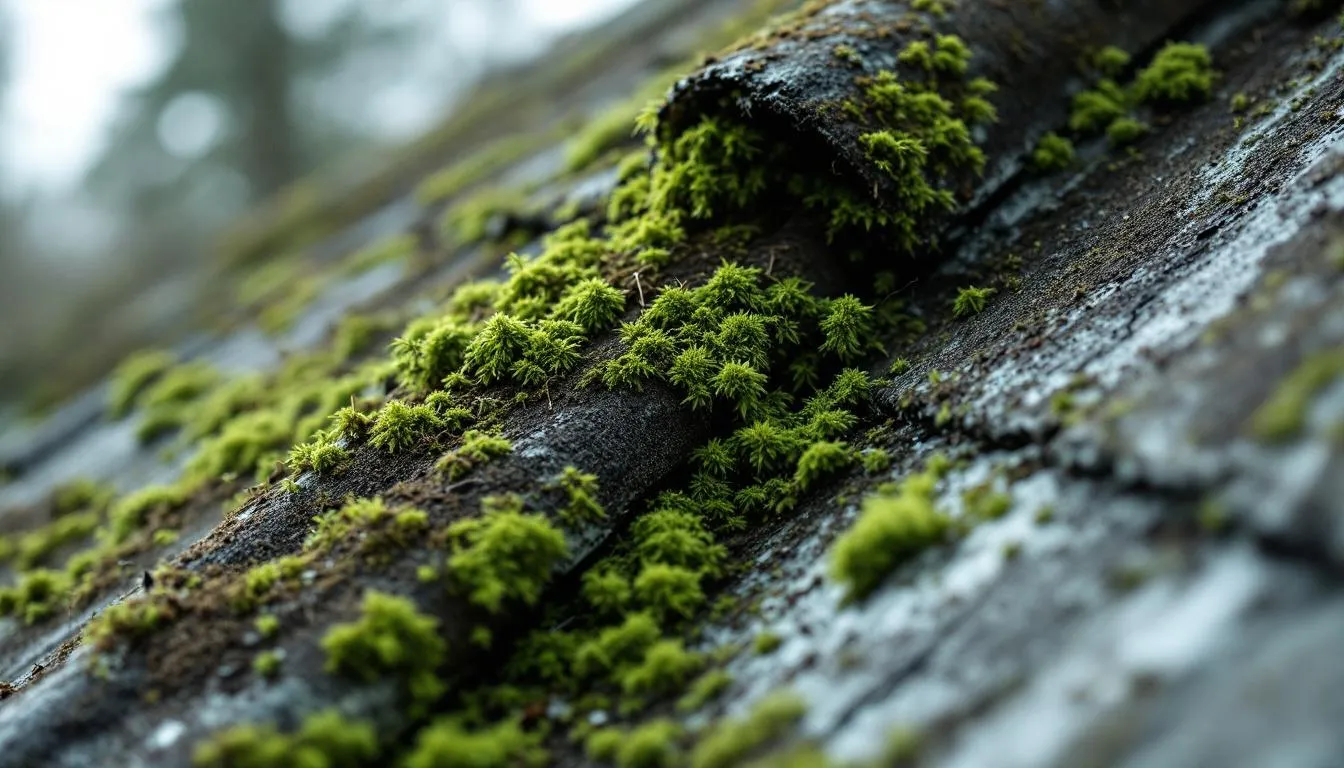
- Visible green or orange moss cushions growing between shingle courses or along ridges
- Grayish crusty lichen patches adhered tightly to shingle surfaces
- Shingles appearing darker and retaining moisture longer than neighboring sections
- Granules washing out from areas of heavy moss growth into gutters
- Growth most concentrated on north-facing or heavily shaded roof slopes
Root Causes
What Causes Moss and Algae Roof Growth?
Shade and Chronic Moisture Retention
Cincinnati neighborhoods like Indian Hill, Mount Lookout, and Madeira have dense mature trees that keep large sections of roof in shade most of the day. That shade stops the UV and heat that would normally slow biological growth. Shaded shingles stay wet for hours longer after each rain, and that persistent moisture is all moss and algae spores need to take hold.
The Fix
Tree Trimming and Roof Cleaning Treatment
Overhanging branches are trimmed back to let more sunlight hit the roof and reduce leaf debris. The existing growth is then treated with a low-pressure biocide that kills moss and algae without harming the shingles.
Absence of Zinc or Copper Strip Protection
Metal ions from zinc or copper strips wash down the shingles with every rain and stop algae, moss, and lichen from taking hold. Most Cincinnati roofs put on before algae-resistant shingles became standard have no such protection at all. Without it, biological growth moves steadily down the slope each season.
The Fix
Zinc Strip Installation and Preventive Treatment
Zinc strips are installed along the ridge so that rain carries the protective ions down the full slope below. The existing growth is treated and removed first so the zinc is working on a clean surface.
Lichen Adhesion and Physical Shingle Damage
Lichen is a combined organism made of algae and fungus, and it is far more aggressive than basic algae streaking. It grips the shingle surface with root-like structures that physically dig into the granule layer. In Cincinnati's wet springs those structures swell with moisture and rip granules loose, which destroys the shingle's UV protection from below.
The Fix
Professional Lichen Removal and Shingle Assessment
Lichen cannot be washed off without tearing up the shingles underneath. A biocide is applied first to kill the organism, then it is allowed to dry and release its grip over several weeks before careful low-pressure removal. After that, granule loss is assessed to decide whether shingle replacement is needed.
Self-Diagnosis
Which Cause Applies to You?
Check the signs you're observing to narrow down the likely root cause before your inspection.
| What You're Seeing | Shade and Chronic Moisture Retention | Absence of Zinc or Copper Strip Protection | Lichen Adhesion and Physical Shingle Damage |
|---|---|---|---|
| Dark streaking only, no raised or cushioned growth visible on surface | |||
| Crusty gray or orange patches that cannot be brushed off with hand | |||
| Growth present on all slopes equally, including sunny south slope | |||
| Green moss cushions concentrated exclusively on north or shaded slopes | |||
| Growth appearing on newer roof that has no ridge metal present | |||
| Accelerated granule loss directly beneath areas of heavy growth |
Free Quote
Get a free quote in Cincinnati
No obligation — tell us what's going on and we'll text you back shortly.
Other Problems
Services That Fix This
Moss and Algae Roof Growth Near You
Also Helpful