Home › Common Problems › Sagging Roof Deck
Sagging Roof Deck
in Cincinnati, OH
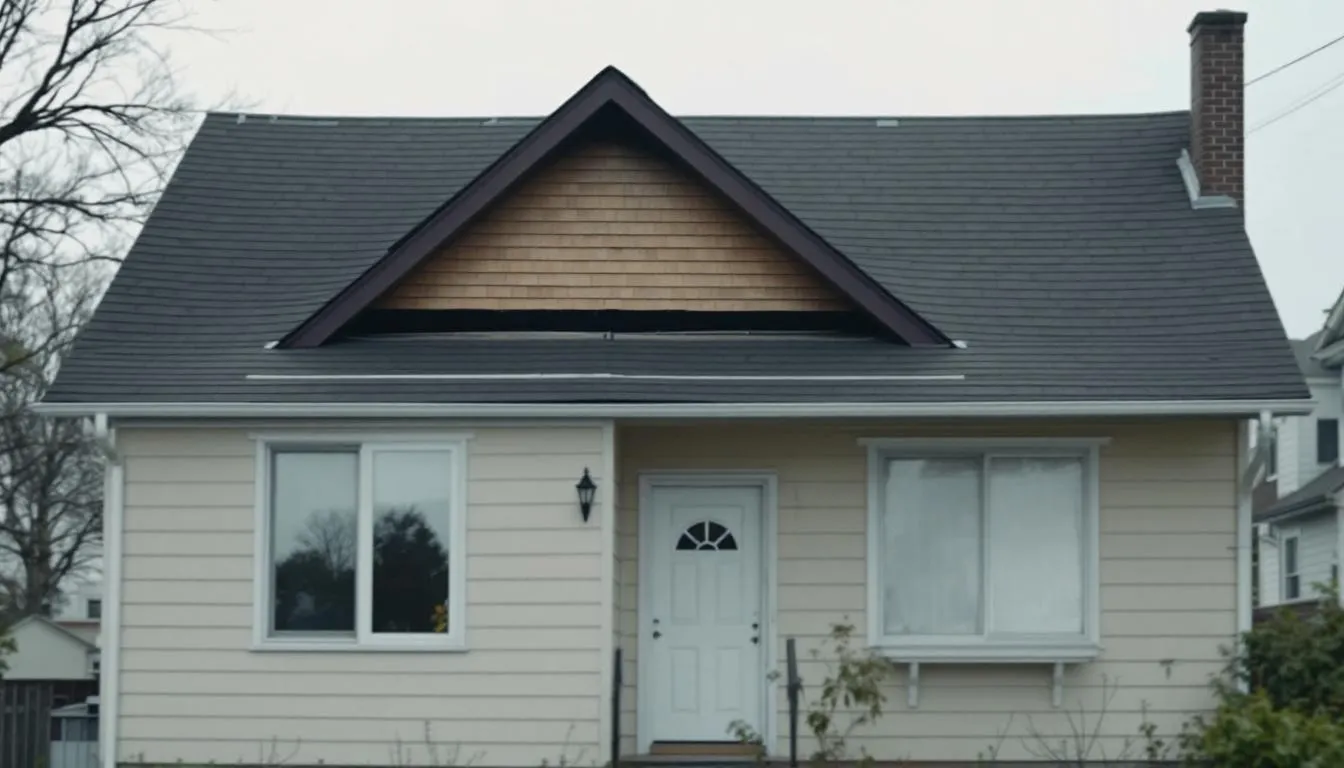
A sagging roof deck is one of the most serious problems a Cincinnati homeowner can face. Cincinnati homes built before 1980 often have older wood decking that rots when moisture gets into it over many years. When that deck gets soft, the rafters below can no longer carry the load. The dips get worse with every snowfall or rain event if you wait.
Cincinnati Roof Repair Pros helps Cincinnati, OH homeowners fix sagging roof deck — call for a free inspection.
Quick Answer
A sagging roof means the wood underneath has gotten soft and weak from years of moisture. Many older Cincinnati homes have this problem. A roofer replaces the rotted wood and fixes whatever let the water in. Call (513) 666-5386 right away if you can see a dip or curve in your roofline.
Telltale Signs
Warning Signs to Watch For
- Visible dip, wave, or concave depression in the roofline when viewed from the street
- Soft or spongy feeling underfoot when walking on the roof surface
- Interior attic rafters or decking showing dark staining, mold, or soft spots
- Shingles developing an uneven, rippled appearance across a broad area
- Cracks in interior drywall or plaster running parallel to the roof ridge
- Gutters pulling away from fascia due to the roof edge deforming
Root Causes
What Causes Sagging Roof Deck?
Long-Term Moisture and Rot
Cincinnati's humid summers and wet winters soak into attics that do not have enough ventilation. Decking is the wood panel layer nailed across the rafters that everything else sits on. In homes built before the 1970s, that decking is often old plank wood that soaks up moisture, rots, and eventually bends under the weight of the roof above.
The Fix
Roof Deck Replacement and Re-Sheathing
Rotten decking panels are pulled off down to the rafter tops and the framing below is dried out and treated. New OSB or plywood sheathing that meets code is then nailed in place before any new roofing goes on.
Snow and Ice Load Stress
Cincinnati does not get the heavy snow that northern Ohio does. But ice storms and heavy wet snow in January and February can still put serious weight on a roof. If the decking or rafters are already weak, that load can crush the wood fibers permanently and the sag stays even after the snow melts.
The Fix
Structural Rafter Sistering and Deck Replacement
Sistering means nailing a new piece of lumber tight against a damaged rafter to restore its strength. After that, any bad decking is replaced so there is a flat, solid surface for the new roofing to nail into.
Rafter or Truss Damage
Carpenter ants and wood-boring beetles thrive in Cincinnati's warm, humid summers. They can hollow out a rafter from the inside with no sign on the outside until a lot of strength is already gone. Cut rafters from old HVAC installs in older Cincinnati homes can cause the same kind of localized sagging.
The Fix
Structural Framing Repair and Reinforcement
A structural professional checks each damaged rafter or truss member. Pest damage is treated and new lumber is put in to rebuild the frame before the decking and roofing above are repaired.
Self-Diagnosis
Which Cause Applies to You?
Check the signs you're observing to narrow down the likely root cause before your inspection.
| What You're Seeing | Long-Term Moisture and Rot | Snow and Ice Load Stress | Rafter or Truss Damage |
|---|---|---|---|
| Sag appeared or worsened noticeably after a heavy snow or ice event | |||
| Attic rafters show dark staining and soft spots when probed | |||
| Sawdust-like frass found on attic floor beneath rafters | |||
| Sagging isolated directly below a previously cut or notched rafter | |||
| Decking panels delaminating and crumbling at edges when touched | |||
| Broad, gradual depression spanning multiple rafter bays across whole slope |
Free Quote
Get a free quote in Cincinnati
No obligation — tell us what's going on and we'll text you back shortly.
Other Problems
Services That Fix This
Sagging Roof Deck Near You
Also Helpful