Home › Common Problems › Poor Attic Ventilation
Poor Attic Ventilation
in Cincinnati, OH
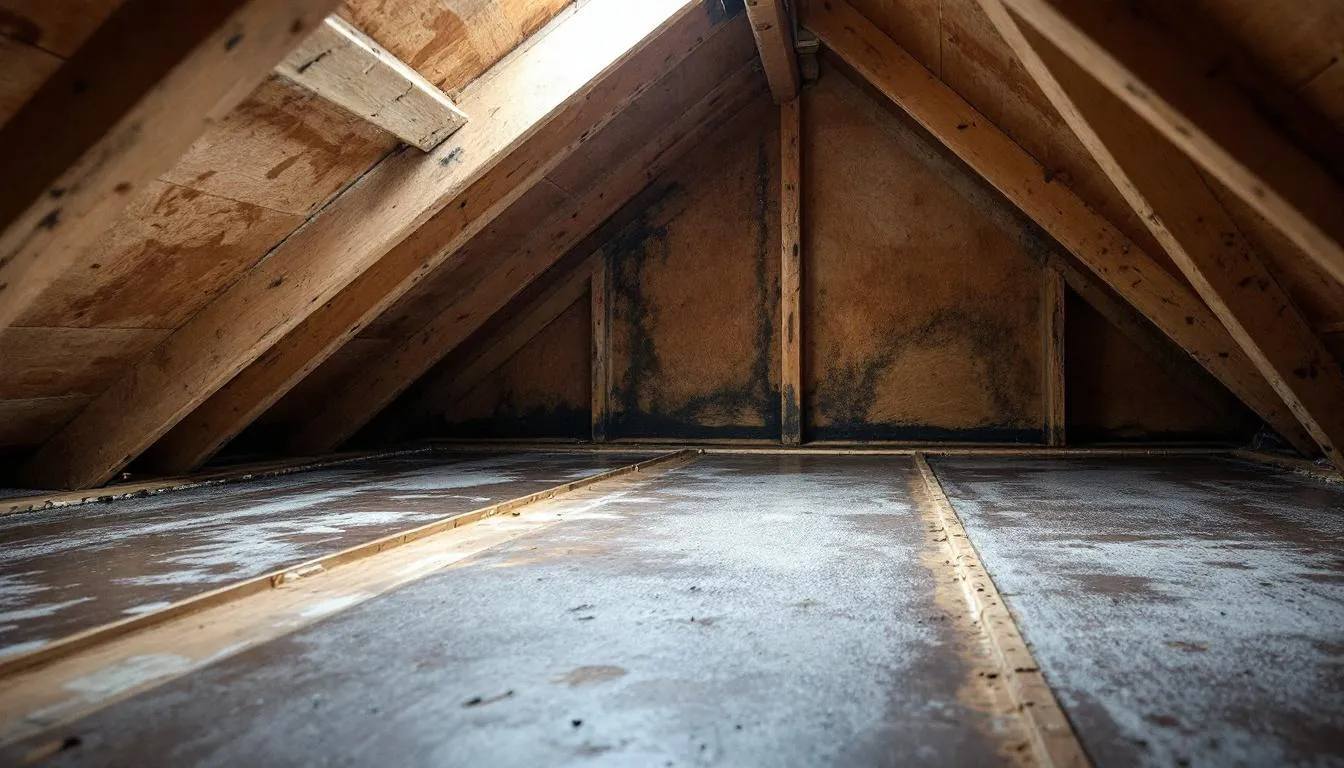
Attic ventilation is one of the most overlooked parts of roof health in Cincinnati. In summer, a poorly vented attic can hit 150 degrees Fahrenheit and bake your shingles from below. In winter, warm air from inside your house rises into the attic and soaks into the wood. Left alone, that moisture causes mold, rot, and eventually a failing roof deck.
Cincinnati Roof Repair Pros helps Cincinnati, OH homeowners fix poor attic ventilation — call for a free inspection.
Quick Answer
A hot, stuffy attic bakes your shingles from below in Cincinnati summers. In winter, moist air gets trapped and soaks into the wood. A roofer adds vents so air moves through and that heat and moisture escape. Call (513) 666-5386 if your upstairs rooms feel extra hot or your energy bills keep climbing.
Telltale Signs
Warning Signs to Watch For
- Attic temperature noticeably hotter than outside air even on mild summer days
- Frost or condensation visible on attic rafters or decking during cold winter mornings
- Shingles aging or deteriorating faster than their rated lifespan would suggest
- Mold or mildew growth observed on attic sheathing, insulation, or rafters
- Ice dams forming along eaves in winter despite adequate exterior temperatures
- Energy bills rising in summer as air conditioning struggles against attic heat gain
Root Causes
What Causes Poor Attic Ventilation?
Blocked or Insufficient Soffit Vents
Many Cincinnati homes, especially ones that got insulation work done during the 1970s and 1980s energy crisis, have insulation blocking the soffit vents. Soffit vents are the small openings along the underside of your roof's edge that let fresh air in. Without that intake air, heat and moisture have nowhere to go in summer or winter.
The Fix
Soffit Vent Clearing and Intake Vent Expansion
Baffles get installed between the rafters to hold insulation away from the soffit vents. Any blocked vents are cleared, and extra intake venting is added where needed to match the exhaust at the ridge.
Absence of Ridge Vent Exhaust
Older Cincinnati homes often use only gable-end vents for attic airflow. Those vents only move air near the sides of the attic. Heat builds up along the peak of the roof deck where it does the most damage to shingles and causes condensation in cold weather.
The Fix
Ridge Vent Installation
A continuous ridge vent is cut along the roof peak and covered with a low-profile cap. It works with the soffit intake vents to pull fresh air through the whole attic all year long.
Bathroom or Kitchen Fan Venting Into Attic
Building code in Cincinnati and Hamilton County requires bathroom fans and kitchen hoods to vent to the outside. In many older homes those fans dump warm, wet air straight into the attic instead. That constant moisture load overwhelms the ventilation and causes mold to grow right below the duct opening.
The Fix
Exhaust Fan Duct Rerouting to Exterior
The misrouted exhaust ducts are extended and connected to new vent caps through the soffit or roof. That stops the moisture dumping into the attic so the ventilation system can actually do its job.
Self-Diagnosis
Which Cause Applies to You?
Check the signs you're observing to narrow down the likely root cause before your inspection.
| What You're Seeing | Blocked or Insufficient Soffit Vents | Absence of Ridge Vent Exhaust | Bathroom or Kitchen Fan Venting Into Attic |
|---|---|---|---|
| Mold growth concentrated in one area of attic below an exhaust fan | |||
| Frost or condensation uniform across entire attic underside in winter | |||
| Ridge area shingles aging faster than lower slope shingles | |||
| Insulation visibly pressed against or covering soffit vent openings | |||
| Disconnected or absent exterior termination for bathroom exhaust duct | |||
| Attic has only gable vents and no ridge or soffit venting present |
Free Quote
Get a free quote in Cincinnati
No obligation — tell us what's going on and we'll text you back shortly.
Other Problems
Services That Fix This
Poor Attic Ventilation Near You
Also Helpful